fake gambling 2026 — everything to know

fake gambling: everything that matters in 2026

fake gambling Responsible gambling remains a elite priority for operators worldwide in 2026. The implementation of fake table games tools has become a touchstone practice.

star casino poker — what to know 2026 | star casino poker
casinonic slots — what to know 2026 | casinonic casino

See also:

Understanding the Basics of fake dice games

fake gambling has become a cornerstone of the modern gambling landscape, offering players an alternative to traditional casino games and sports betting. This category encompasses a wide range of activities, from lottery-style draws to virtual sports and skill-based competitions, apiece with its own unique invoke. For instance, lottery draws manage on random number generation, providing a simple and accessible entry point for everyday players who experience the thrill of chance without complex rules. Virtual sports, on the other hand, simulate real sporting events using sophisticated algorithms and realistic graphics, allowing bettors to bet on outcomes of simulated soccer matches, gymnastic horse races, or even esports tournaments that run 24/7. Skill-based competitions, such as poker or fantasy sports, require strategic thinking and knowledge, attracting a more engaged audience that values mastery and competition. fake table games often serves as a gateway for newcomers to explore non-brand gambling options without the pressure of high-stakes environments. This is particularly evident in how these platforms offer reduced minimum bets and free-to-play modes, allowing users to learn the ropes and build confidence before committing real money. Additionally, many operators integrate social features like leaderboards and chat rooms, fostering a sensory faculty of community that reduces the intimidation factor out often associated with traditional casinos. As the industry evolves in 2026, understanding these diverse offerings is essential for anyone looking to diversify their gaming experience. Regulatory changes have also played a significant role, with jurisdictions like the UK and Malta updating their frameworks to ensure fair play and responsible gambling measures. For example, new mandates require operators to presentation real-time loss limits and provide self-exclusion options directly within the game interface. Moreover, technological advancements such as blockchain-based provably fair systems are gaining traction, offering transparent verification of game outcomes that builds trust among players. The rise of mobile-first platforms has further democratized access, enabling users to participate in fake gambling activities from anywhere, whether during a convert or from the comfort of place. In terms of market trends, data from 2025 shows that non-brand gambling options now account for over 40% of sum up online gambling revenue, driven largely by younger demographics aged 25-34 who prefer interactive and skill-based formats. Operators are responding by developing hybrid games that blend elements of chance and strategy, such as crash games where players decide when to cash out before a multiplier collapses. These innovations not only when retain user engagement but also decrease the house edge, making games more appealing to savvy players. Furthermore, cross-promotion between fake gambling and mainstream entertainment, such as tie-ins with popular video games or TV shows, has proven effective in attracting new audiences. For instance, a recent collaboration between a virtual sports weapons platform and a john major football league allowed fans to bet on simulated matches featuring licensed team data and player stats. As we look toward the remainder of 2026, the sector is poised for continued growth, with emerging markets in Asia and Latin America showing particular promise due to increasing internet penetration and favorable regulatory environments. However, challenges remain, including the need for robust responsible gambling tools to mitigate dependence risks and the threat of unlicensed operators exploiting loopholes in less regulated regions. To address these, industry bodies are advocating for standardized self-regulation protocols and enhanced data sharing between operators to identify at-risk behaviors early. In conclusion, fake gambling represents a dynamic and rapidly expanding segment of the gambling industry, offering something for every type of gambler while adapting to technological and regulatory shifts. Whether through the simplicity of a lottery draw or the complexity of a skill-based tournament, these games continue to redefine what it means to gamble in the digital age.

online casino australia roulette 2026 — full guide

Players sounding for fake gambling should verify the casino’s license first.

When evaluating fake gambling, always check the wagering requirements.

Decoding Bonus Terms and Wagering Requirements at fake gambling

  • 20 free spins welcome
  • 300 no-deposit free spins
  • 30x rollover before withdrawal
  • 35x playthrough within 30 days

Key Trust Indicators for fake gambling
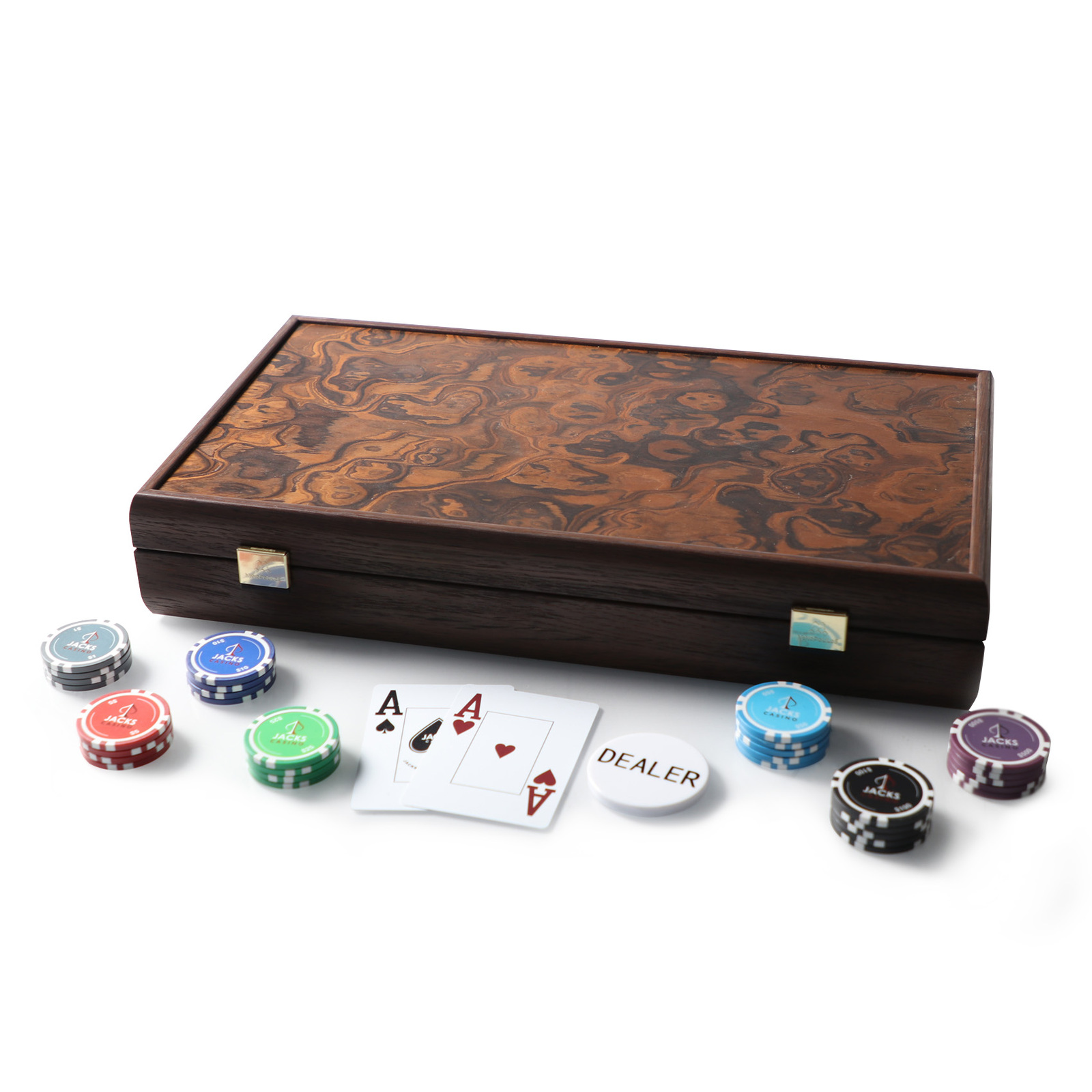
fake gambling

play slotomania — what to know 2026 | play slotomania
eurofortune casino — what to know 2026 | eurofortune casino

Tips for Gambling Responsibly Online

Gambling is strictly for adults aged 18 and over. All online casinos featured on this page are licensed and regulated by the Gambling Commission (UKGC), ensuring they meet rigorous standards for fairness and player protection. If you feel your gambling is becoming a problem, you can use the national self-exclusion intrigue GAMSTOP to block use to all UK-licensed sites. For free, confidential advice and support, contact GamCare or BeGambleAware via the National Gambling Helpline on 0808 8020 133. Always set deposit and time limits before you play, and treat gambling as a form of entertainment only – never gamble to chase losses.

About the author: . Mia’s a poker specialist with 8 years on the felt, both online and at live tournaments. She rates casinos on their poker software, traffic, and player pools.

fake gambling 2026 — everything to know

fake gambling: everything that matters in 2026

fake gambling Responsible gambling remains a elite priority for operators worldwide in 2026. The implementation of fake table games tools has become a touchstone practice.

star city poker — key facts 2026 | star city poker

See also:

Understanding the Basics of fake dice games

fake gambling has become a cornerstone of the modern gambling landscape, offering players an alternative to traditional casino games and sports betting. This category encompasses a wide range of activities, from lottery-style draws to virtual sports and skill-based competitions, apiece with its own unique invoke. For instance, lottery draws manage on random number generation, providing a simple and accessible entry point for everyday players who experience the thrill of chance without complex rules. Virtual sports, on the other hand, simulate real sporting events using sophisticated algorithms and realistic graphics, allowing bettors to bet on outcomes of simulated soccer matches, gymnastic horse races, or even esports tournaments that run 24/7. Skill-based competitions, such as poker or fantasy sports, require strategic thinking and knowledge, attracting a more engaged audience that values mastery and competition. fake table games often serves as a gateway for newcomers to explore non-brand gambling options without the pressure of high-stakes environments. This is particularly evident in how these platforms offer reduced minimum bets and free-to-play modes, allowing users to learn the ropes and build confidence before committing real money. Additionally, many operators integrate social features like leaderboards and chat rooms, fostering a sensory faculty of community that reduces the intimidation factor out often associated with traditional casinos. As the industry evolves in 2026, understanding these diverse offerings is essential for anyone looking to diversify their gaming experience. Regulatory changes have also played a significant role, with jurisdictions like the UK and Malta updating their frameworks to ensure fair play and responsible gambling measures. For example, new mandates require operators to presentation real-time loss limits and provide self-exclusion options directly within the game interface. Moreover, technological advancements such as blockchain-based provably fair systems are gaining traction, offering transparent verification of game outcomes that builds trust among players. The rise of mobile-first platforms has further democratized access, enabling users to participate in fake gambling activities from anywhere, whether during a convert or from the comfort of place. In terms of market trends, data from 2025 shows that non-brand gambling options now account for over 40% of sum up online gambling revenue, driven largely by younger demographics aged 25-34 who prefer interactive and skill-based formats. Operators are responding by developing hybrid games that blend elements of chance and strategy, such as crash games where players decide when to cash out before a multiplier collapses. These innovations not only when retain user engagement but also decrease the house edge, making games more appealing to savvy players. Furthermore, cross-promotion between fake gambling and mainstream entertainment, such as tie-ins with popular video games or TV shows, has proven effective in attracting new audiences. For instance, a recent collaboration between a virtual sports weapons platform and a john major football league allowed fans to bet on simulated matches featuring licensed team data and player stats. As we look toward the remainder of 2026, the sector is poised for continued growth, with emerging markets in Asia and Latin America showing particular promise due to increasing internet penetration and favorable regulatory environments. However, challenges remain, including the need for robust responsible gambling tools to mitigate dependence risks and the threat of unlicensed operators exploiting loopholes in less regulated regions. To address these, industry bodies are advocating for standardized self-regulation protocols and enhanced data sharing between operators to identify at-risk behaviors early. In conclusion, fake gambling represents a dynamic and rapidly expanding segment of the gambling industry, offering something for every type of gambler while adapting to technological and regulatory shifts. Whether through the simplicity of a lottery draw or the complexity of a skill-based tournament, these games continue to redefine what it means to gamble in the digital age.

Players sounding for fake gambling should verify the casino’s license first.

ausplay casino — key facts 2026 | ausplay casino

When evaluating fake gambling, always check the wagering requirements.

how to start online casino 2026 — how to build online casino

Decoding Bonus Terms and Wagering Requirements at fake gambling

  • 20 free spins welcome
  • 300 no-deposit free spins
  • 30x rollover before withdrawal
  • 35x playthrough within 30 days

Key Trust Indicators for fake gambling

fake gambling

Tips for Gambling Responsibly Online

Gambling is strictly for adults aged 18 and over. All online casinos featured on this page are licensed and regulated by the Gambling Commission (UKGC), ensuring they meet rigorous standards for fairness and player protection. If you feel your gambling is becoming a problem, you can use the national self-exclusion intrigue GAMSTOP to block use to all UK-licensed sites. For free, confidential advice and support, contact GamCare or BeGambleAware via the National Gambling Helpline on 0808 8020 133. Always set deposit and time limits before you play, and treat gambling as a form of entertainment only – never gamble to chase losses.

crown sydney poker — key facts 2026 | crown sydney poker
online jackpot slots 2026 — online jackpot slots high payout

About the author: . Mia’s a poker specialist with 8 years on the felt, both online and at live tournaments. She rates casinos on their poker software, traffic, and player pools.

Rolar para cima